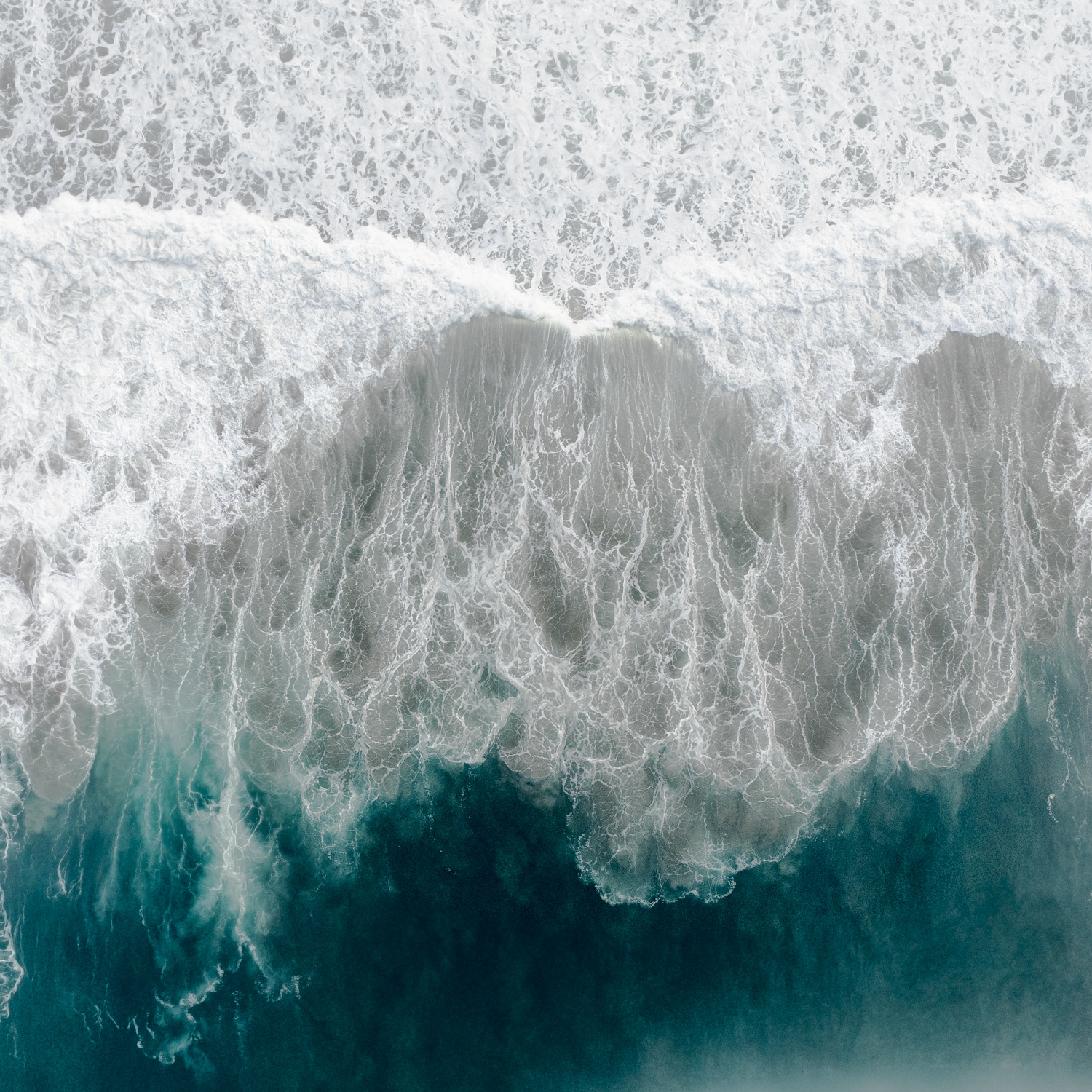
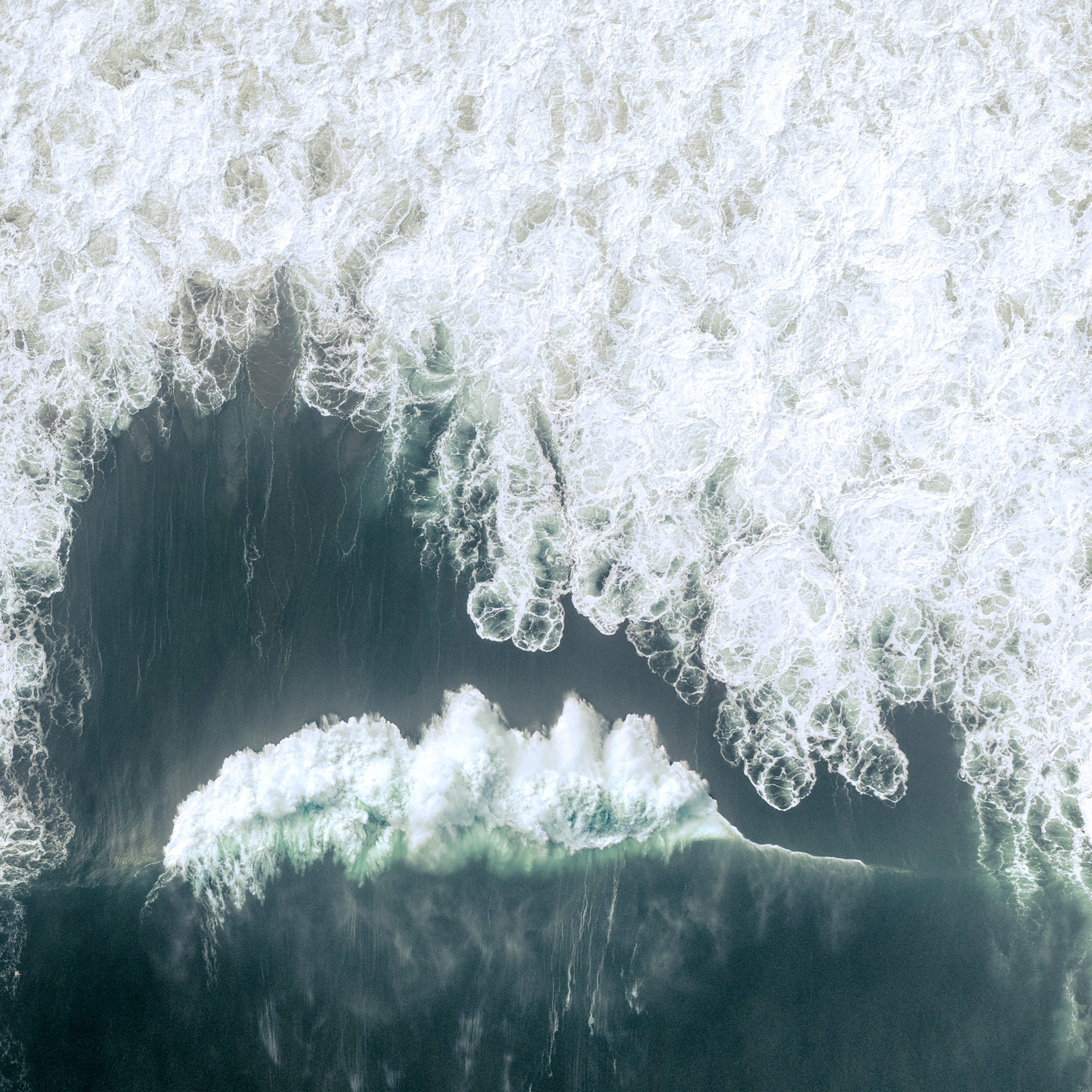
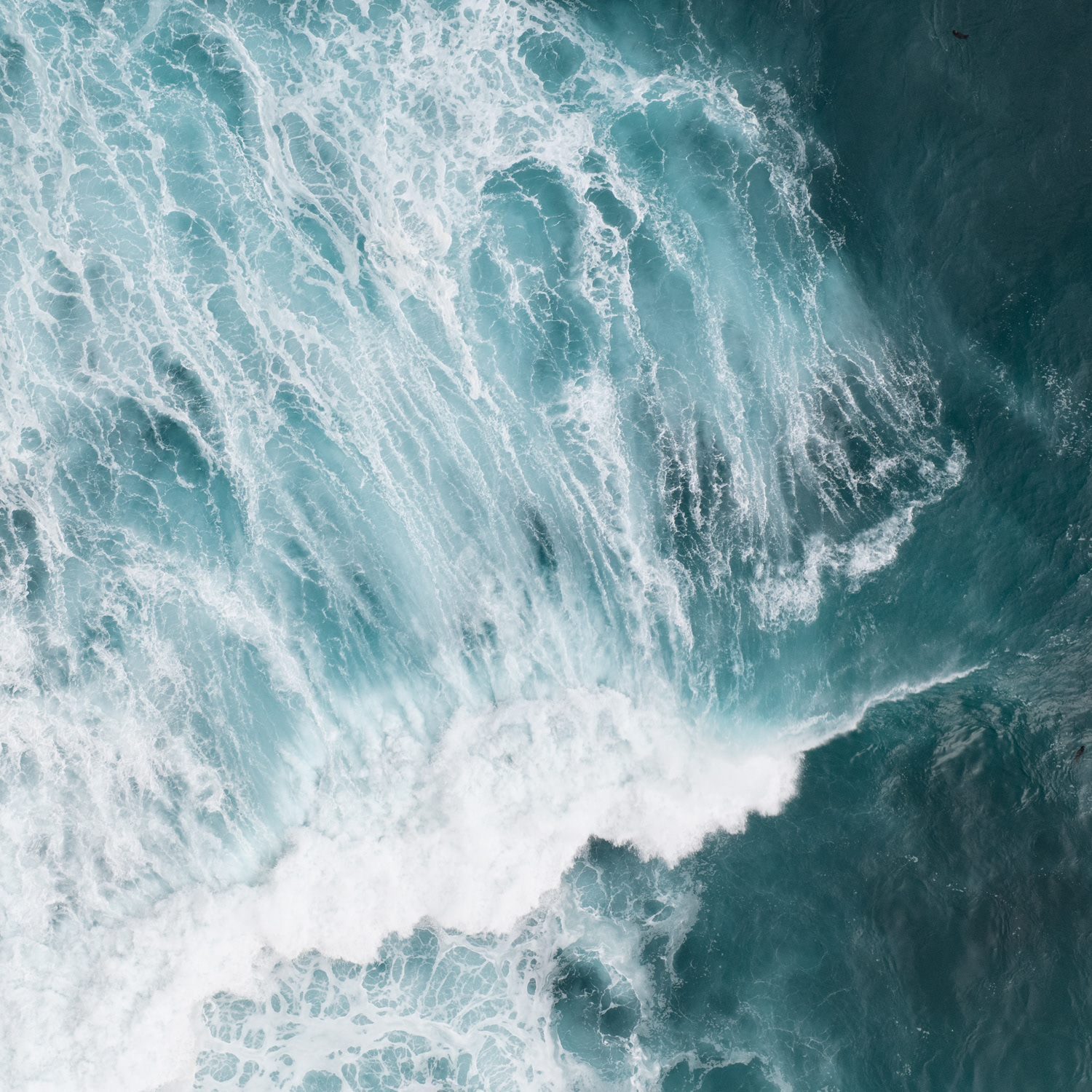
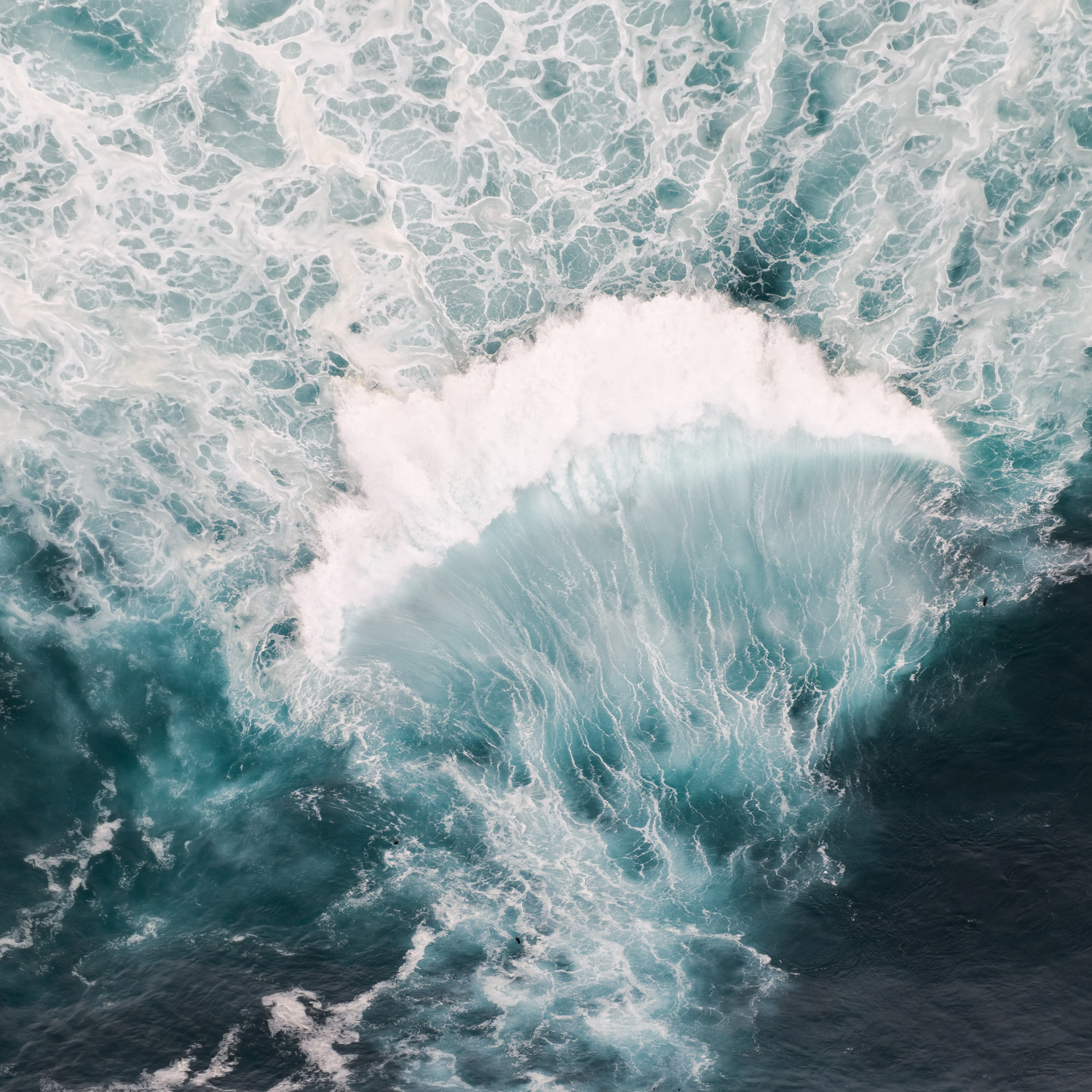
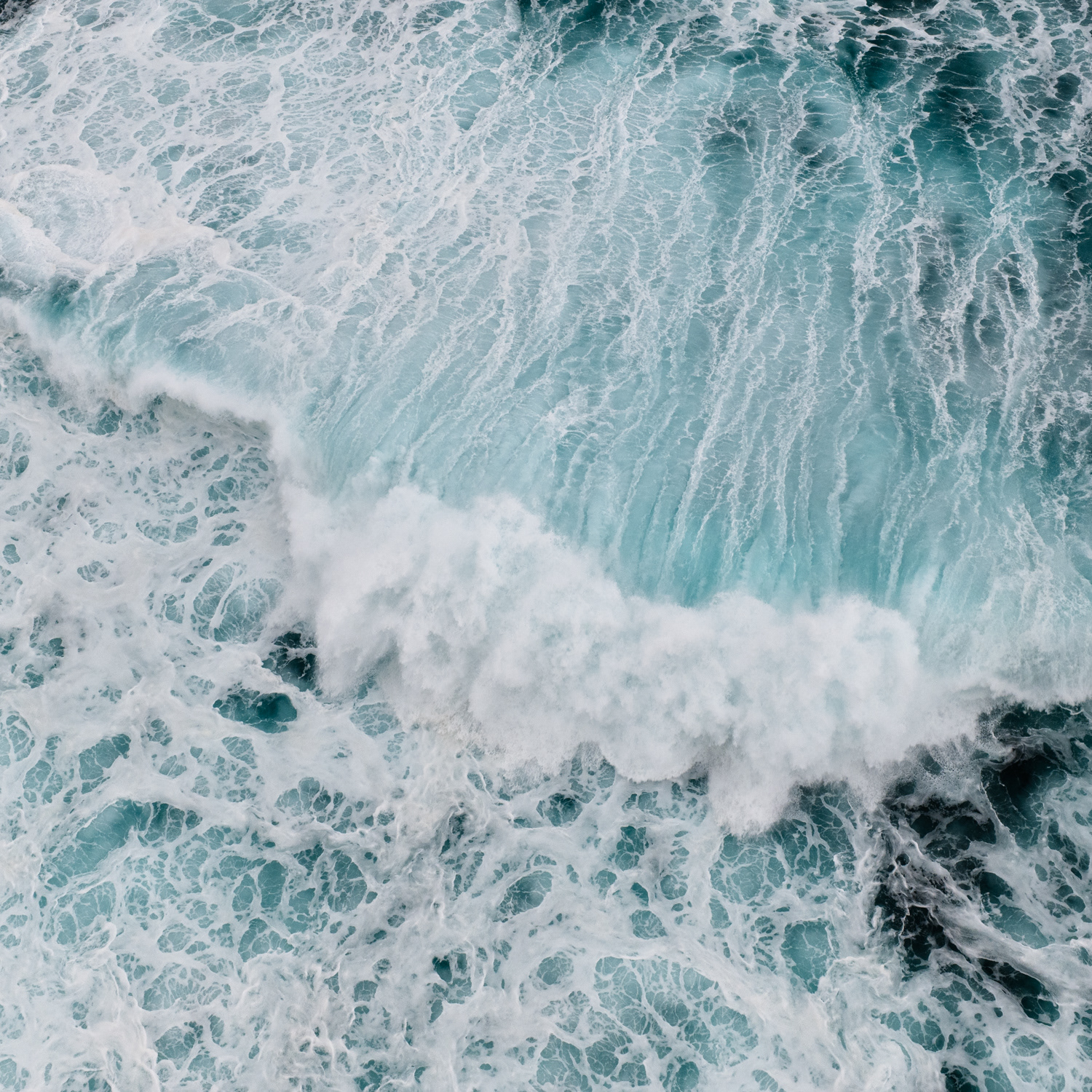
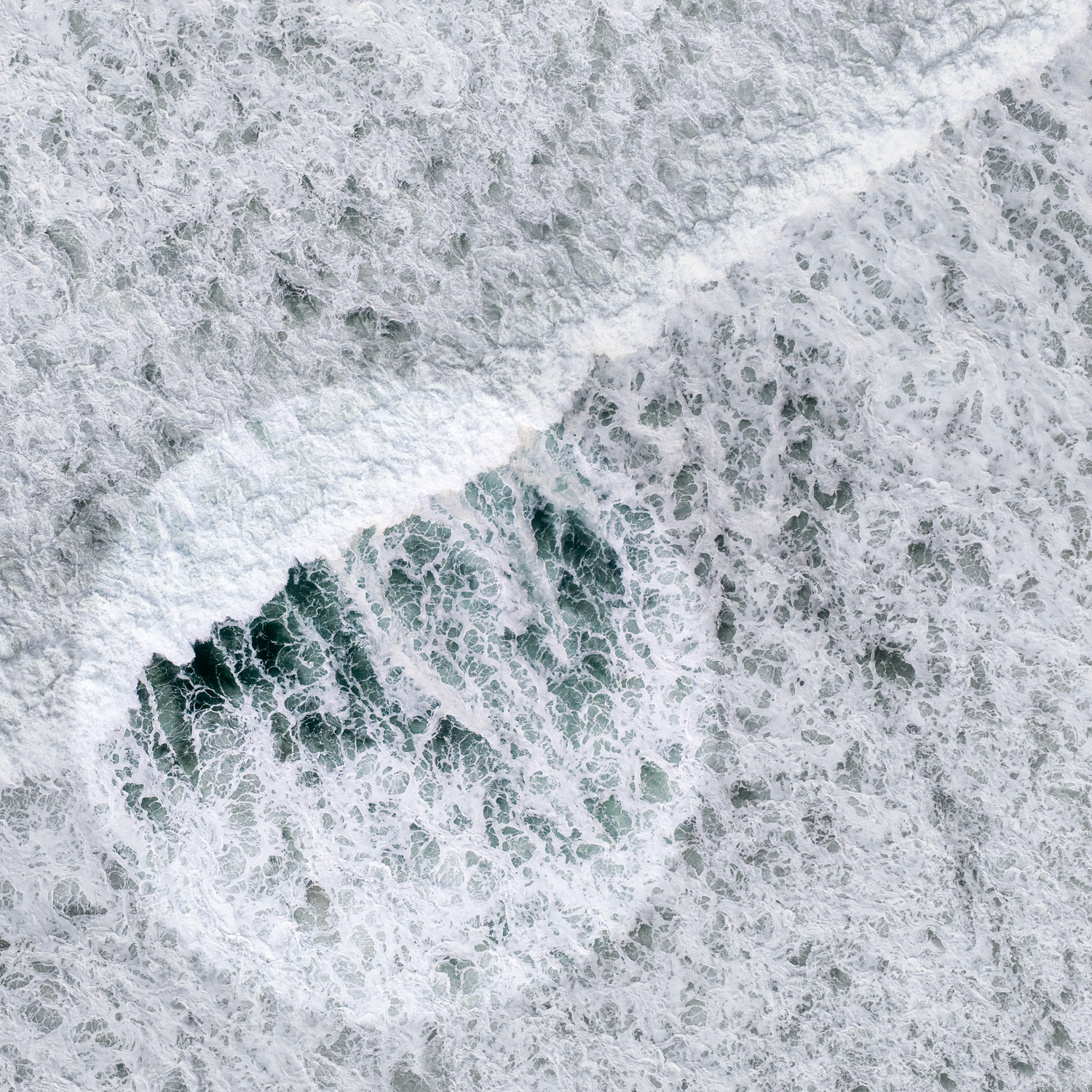
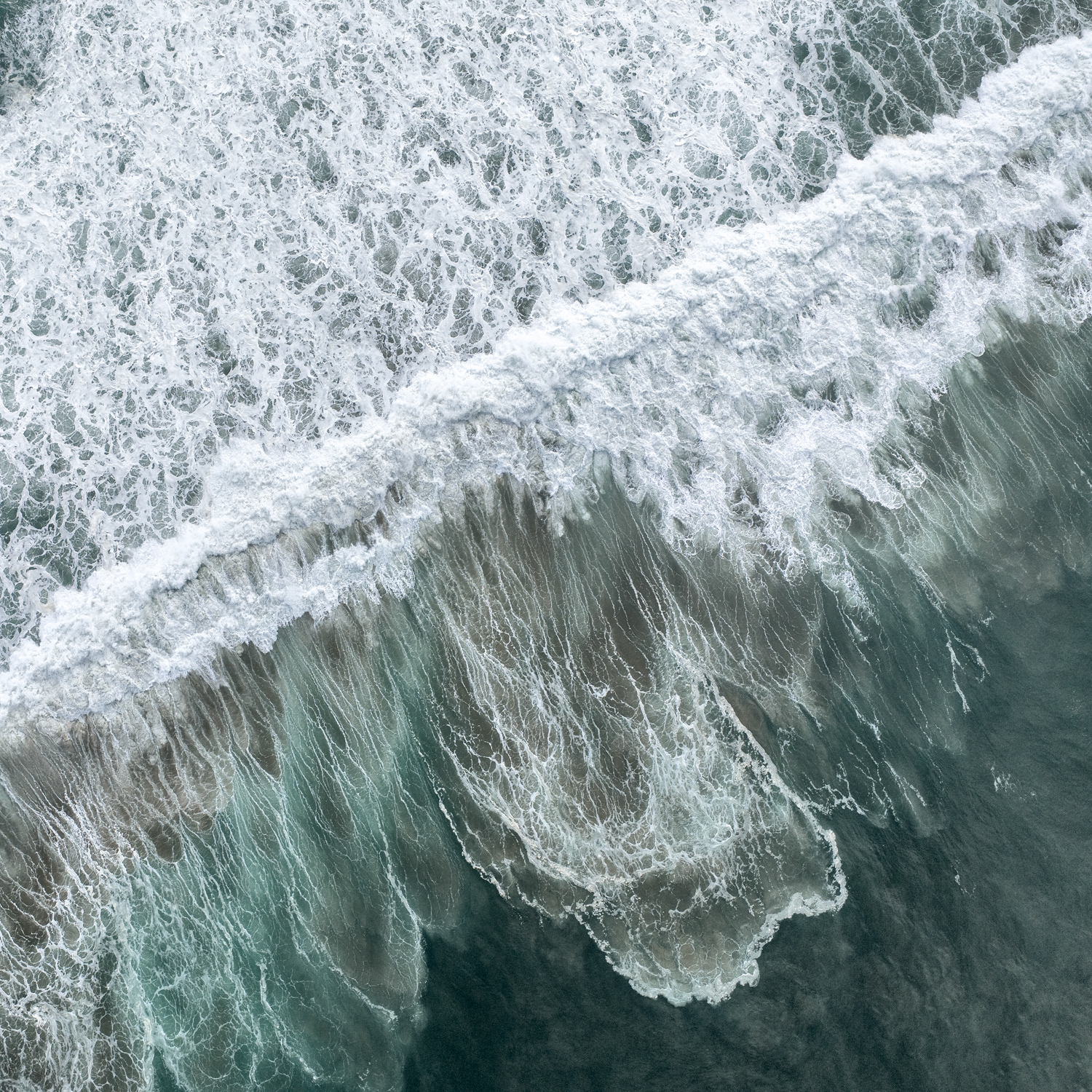
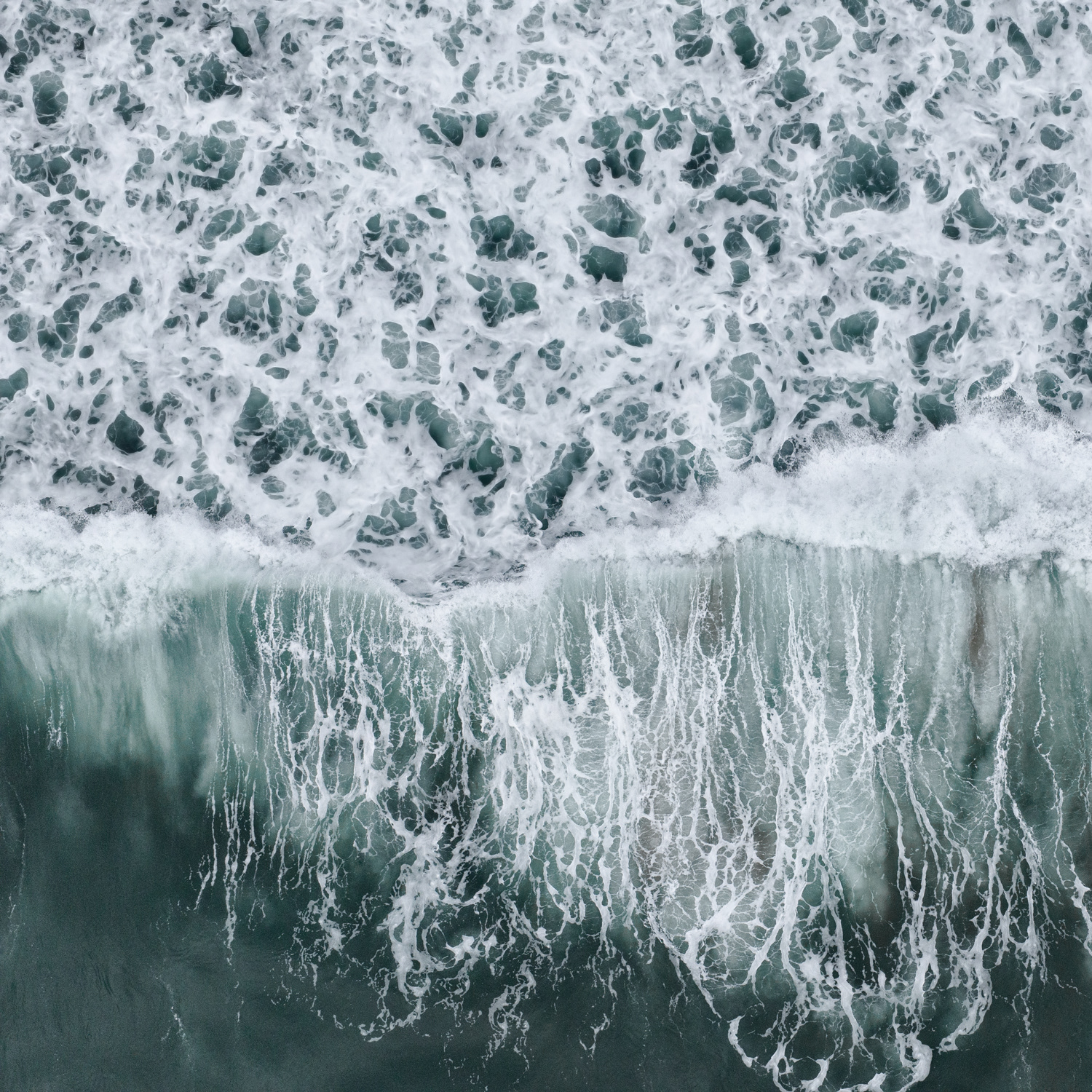
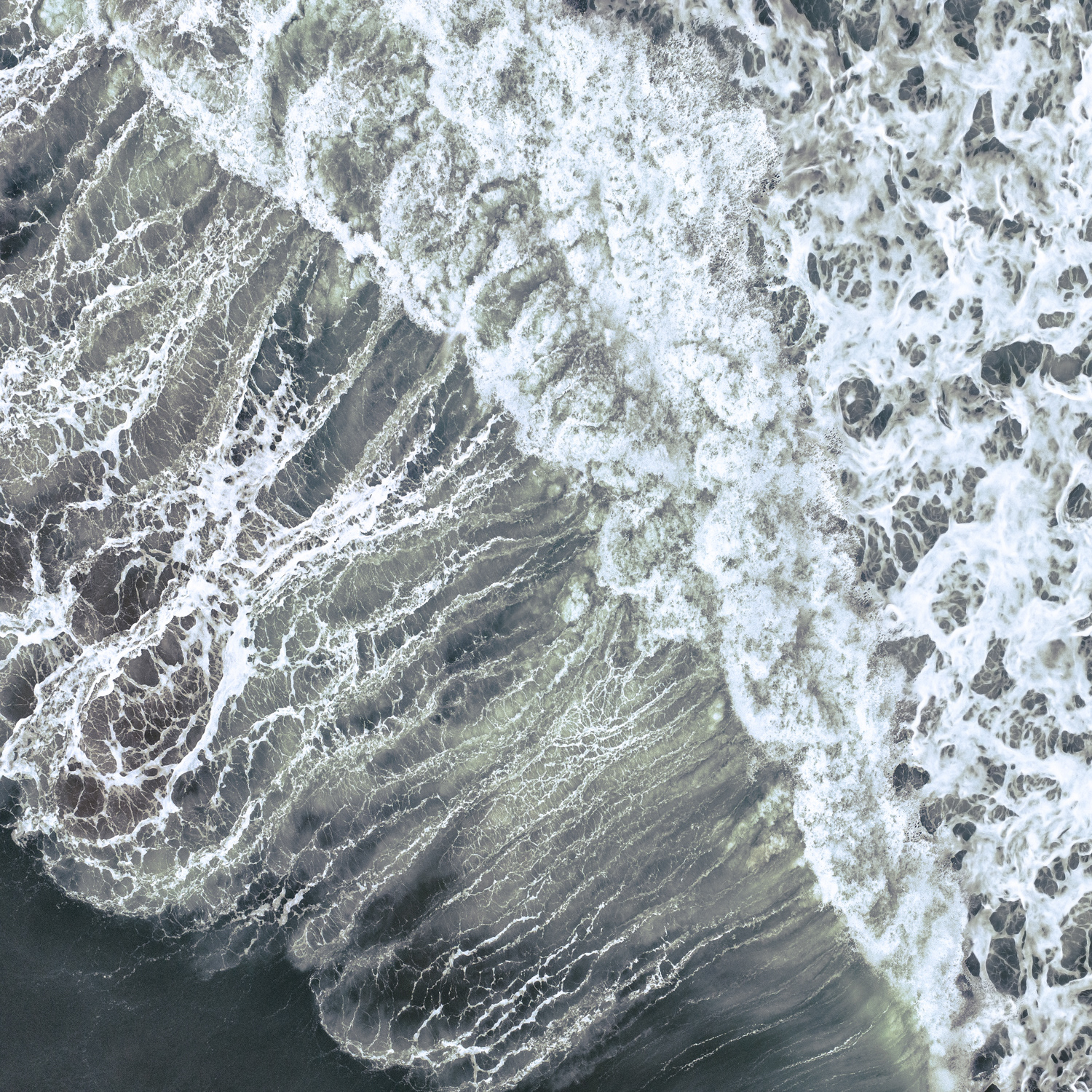
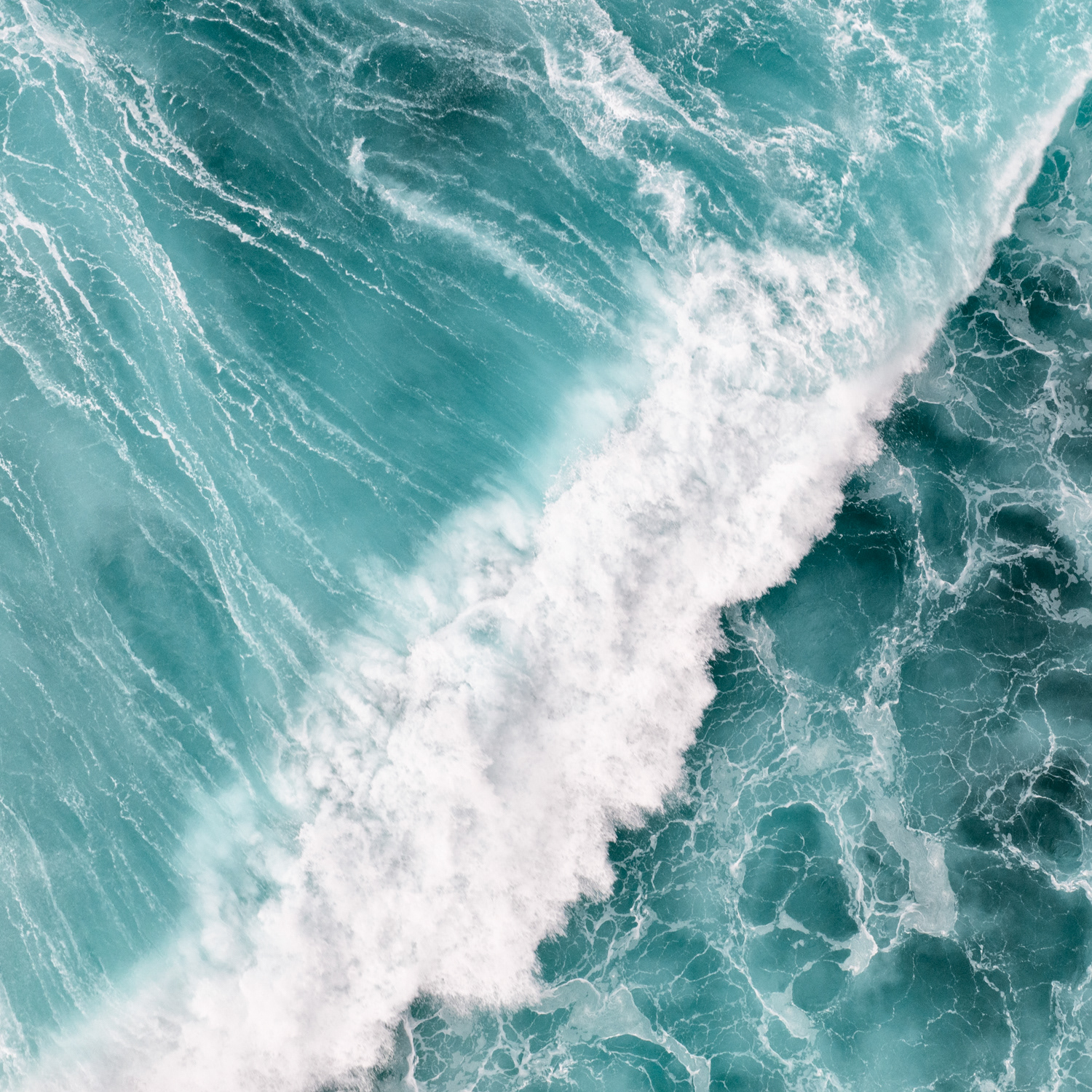
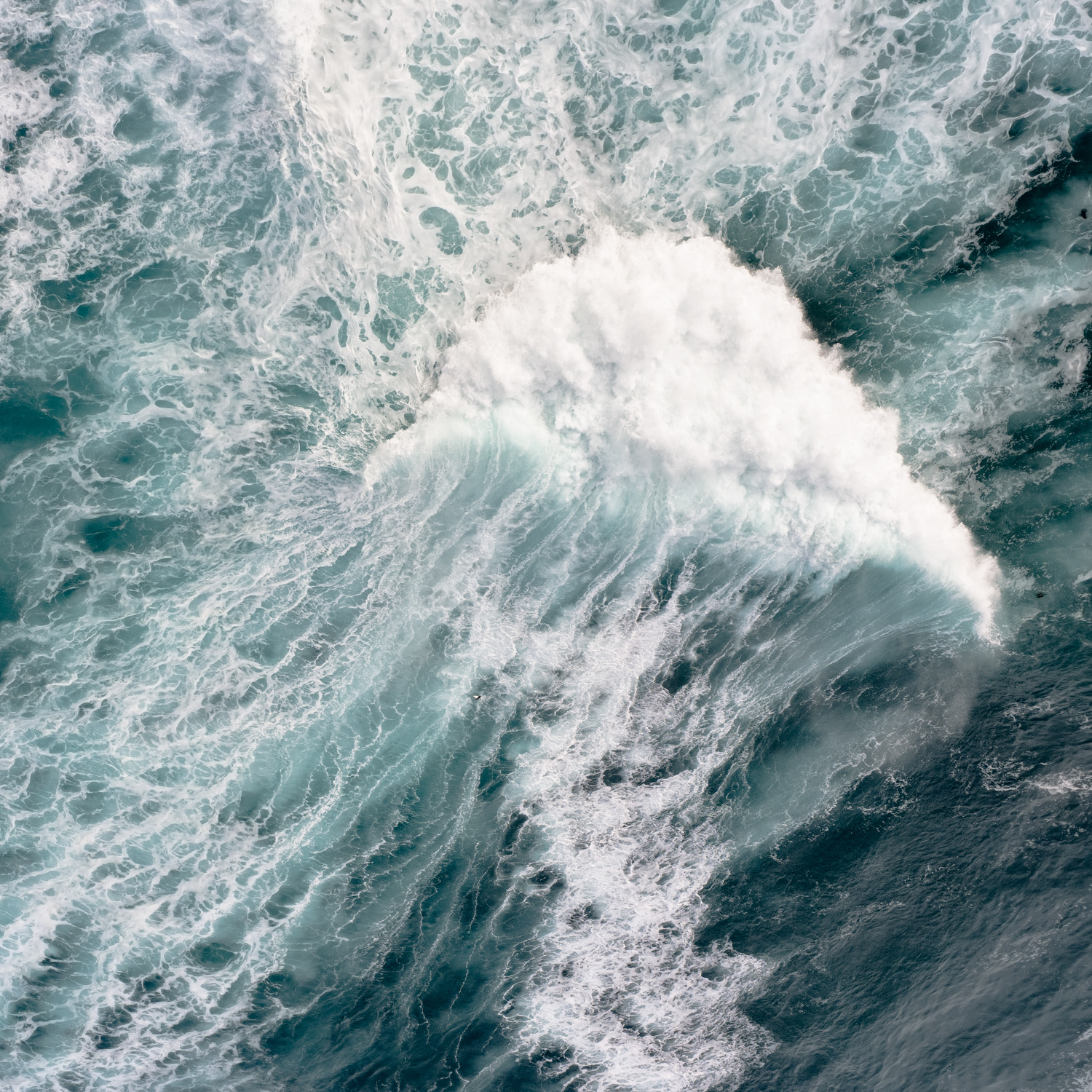
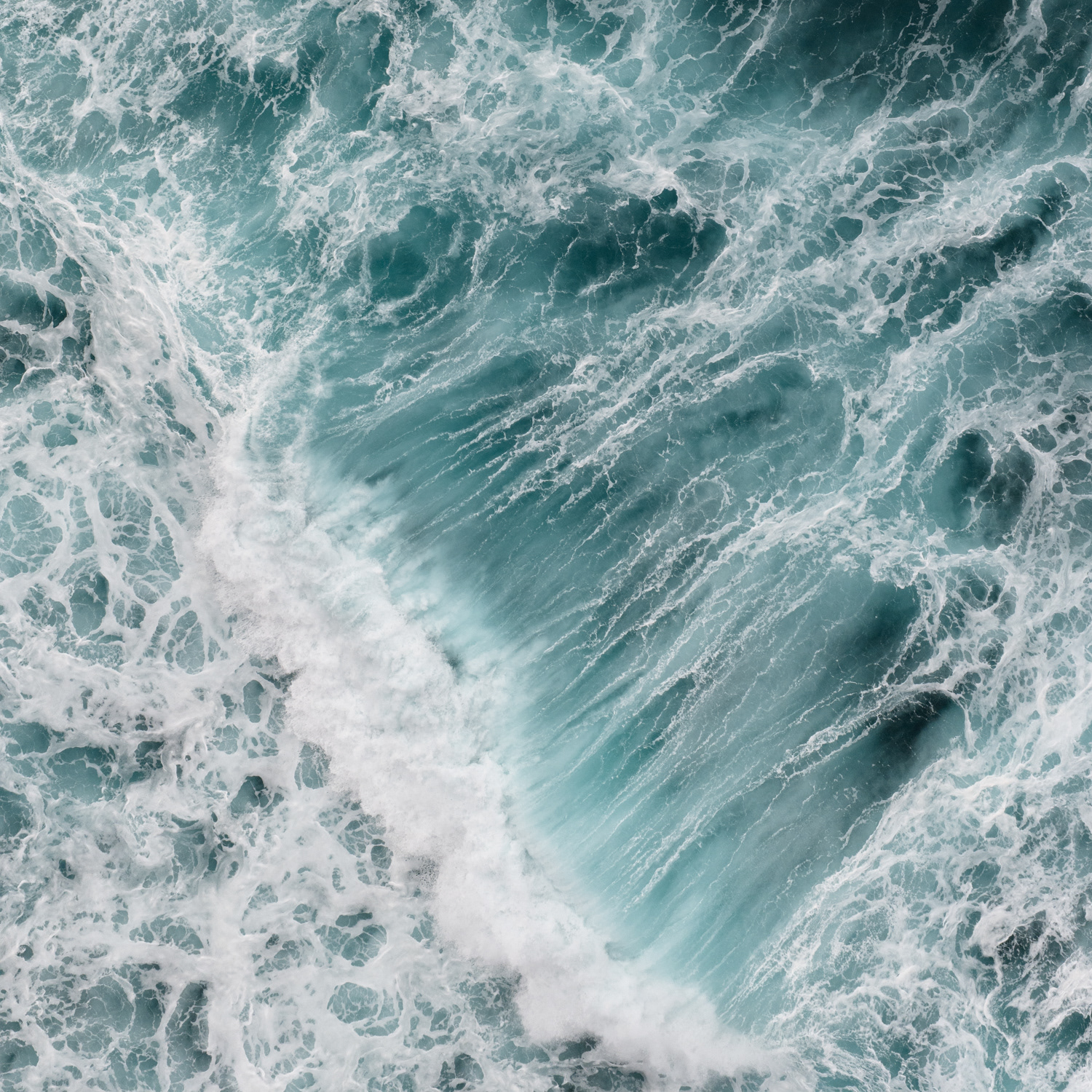
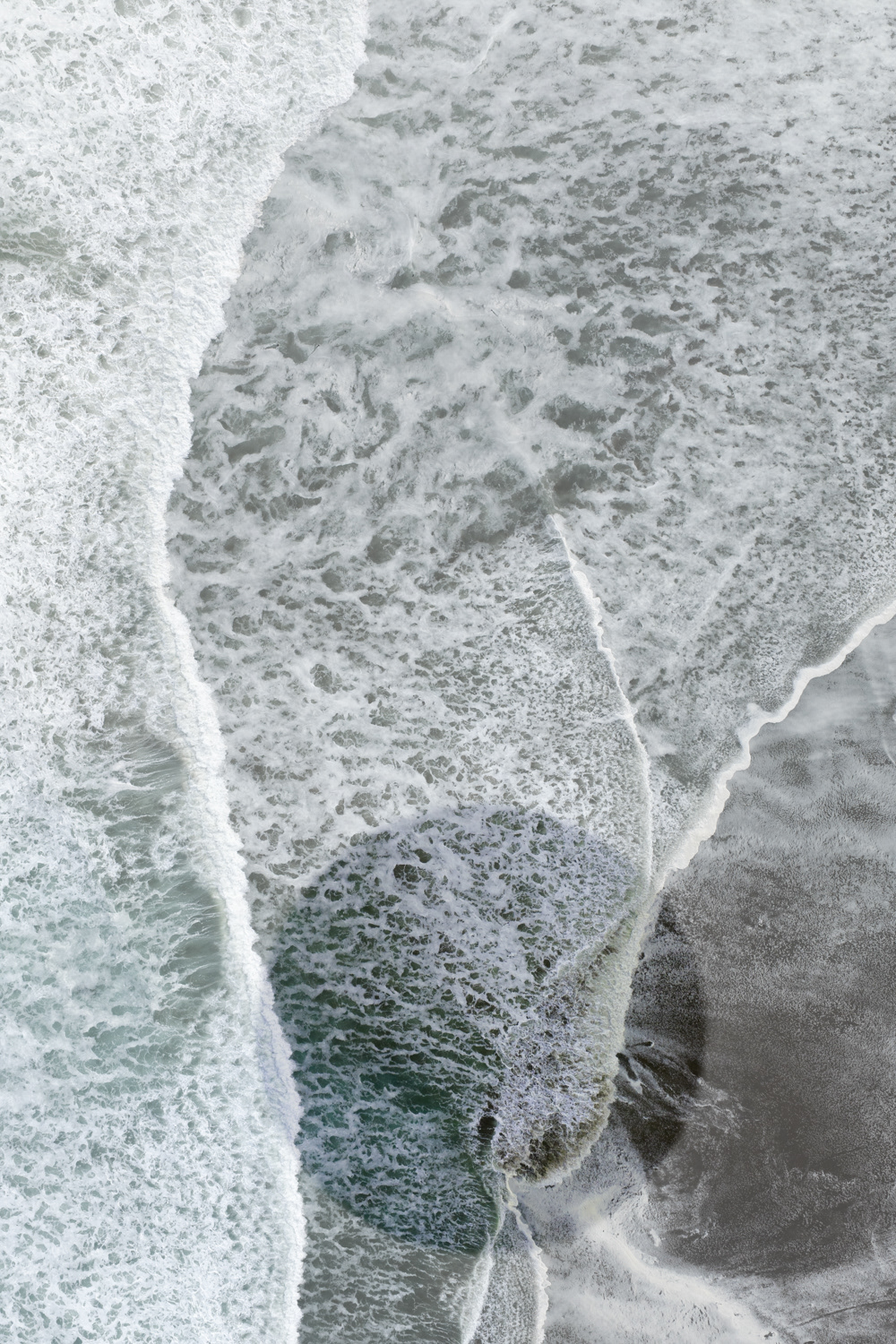
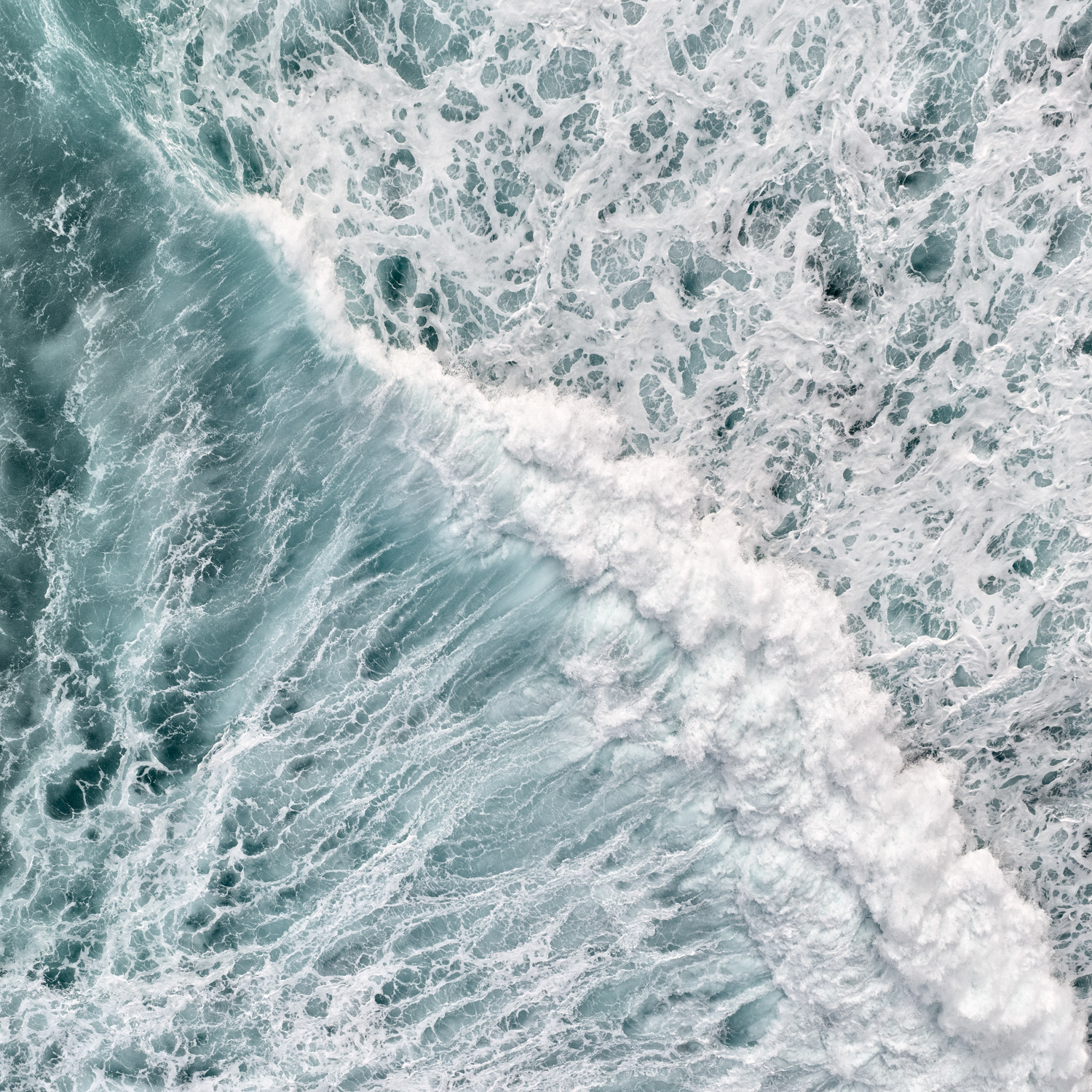
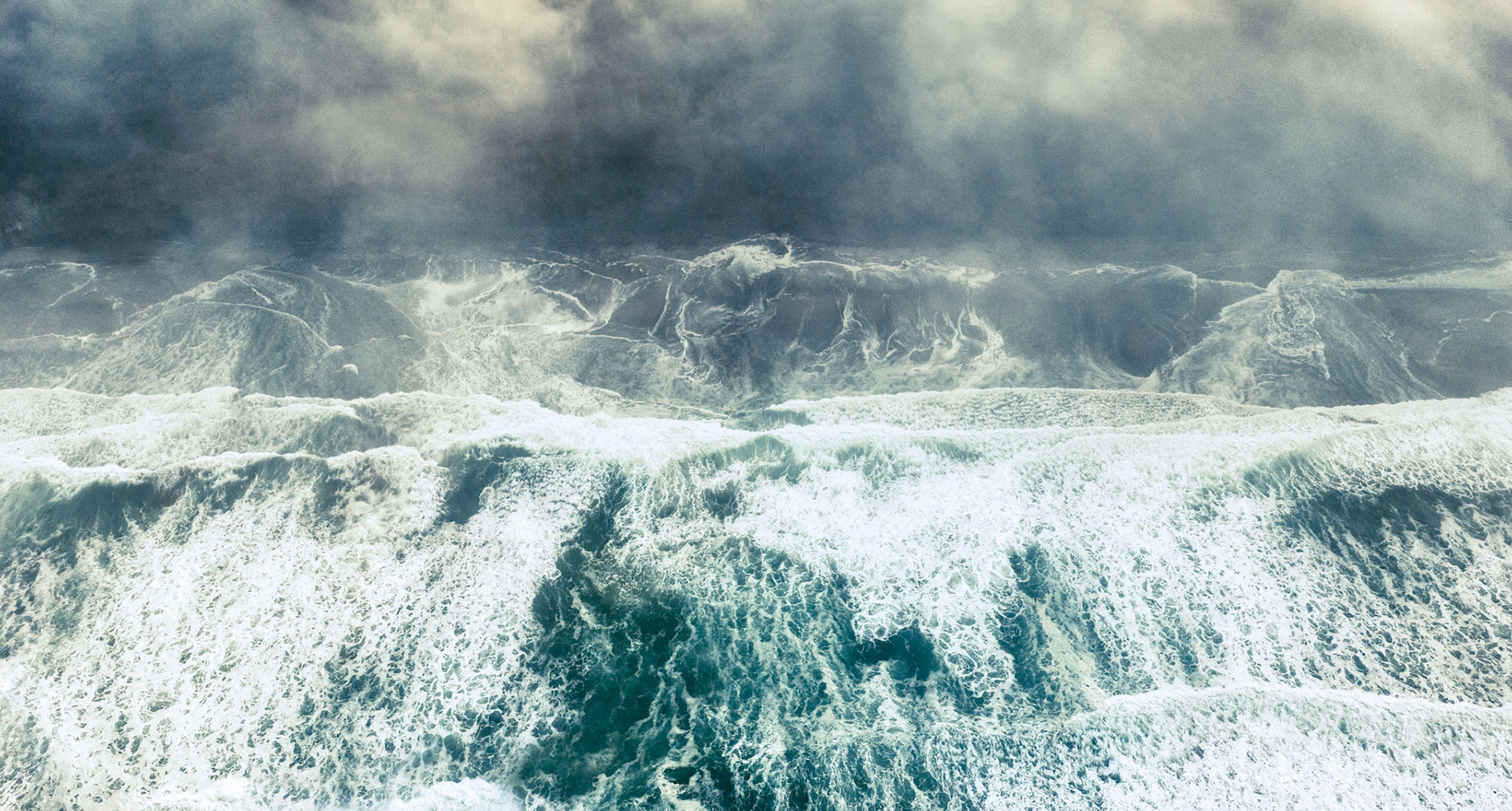
Water covers nearly three-quarters of the earth's surface, and its vast expanses have long drawn photographers and other artists to its shores. Breaking surf on a stormy day is especially seductive, yet from the shore, the fleeting choreography of its turbulence is more spectacle than experience.
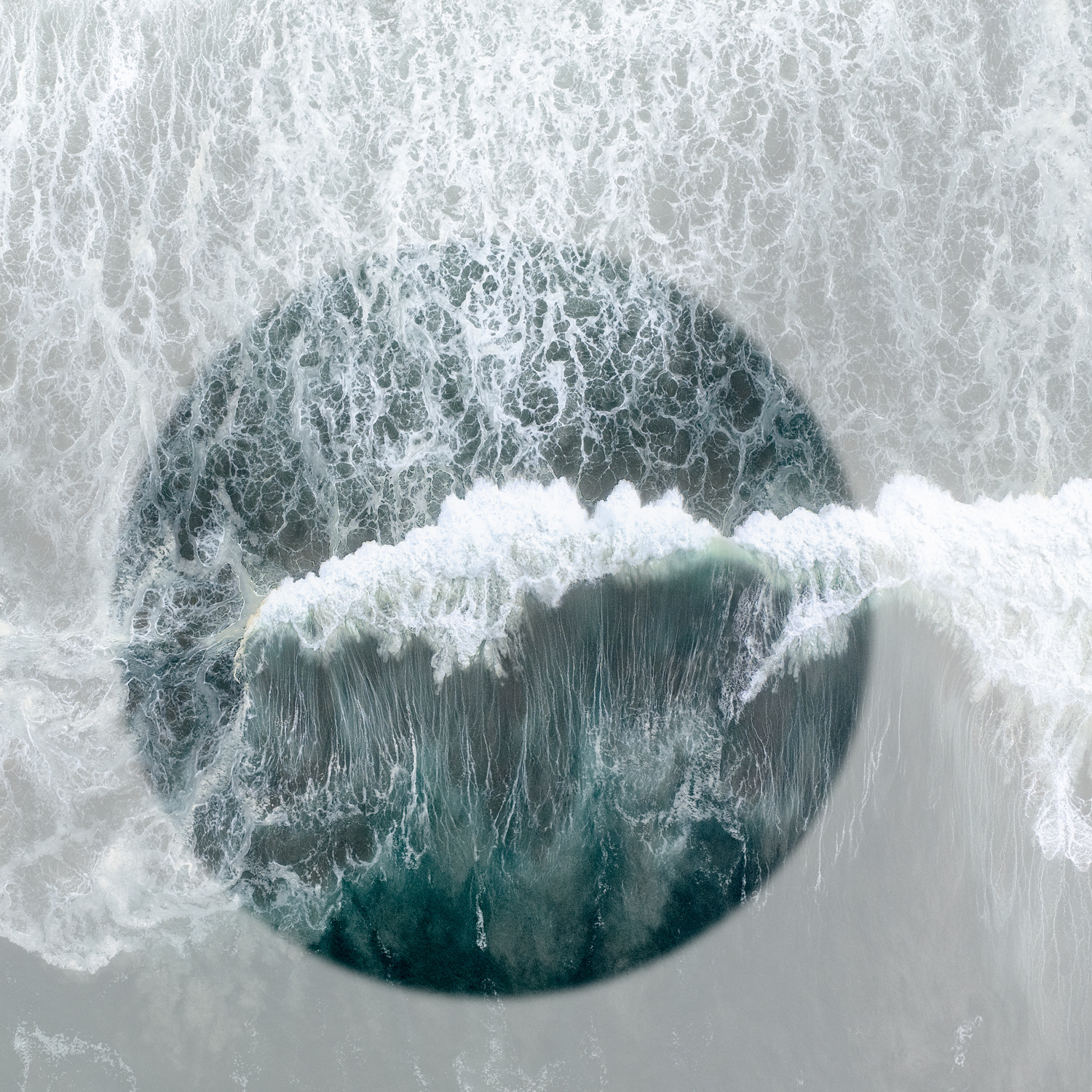
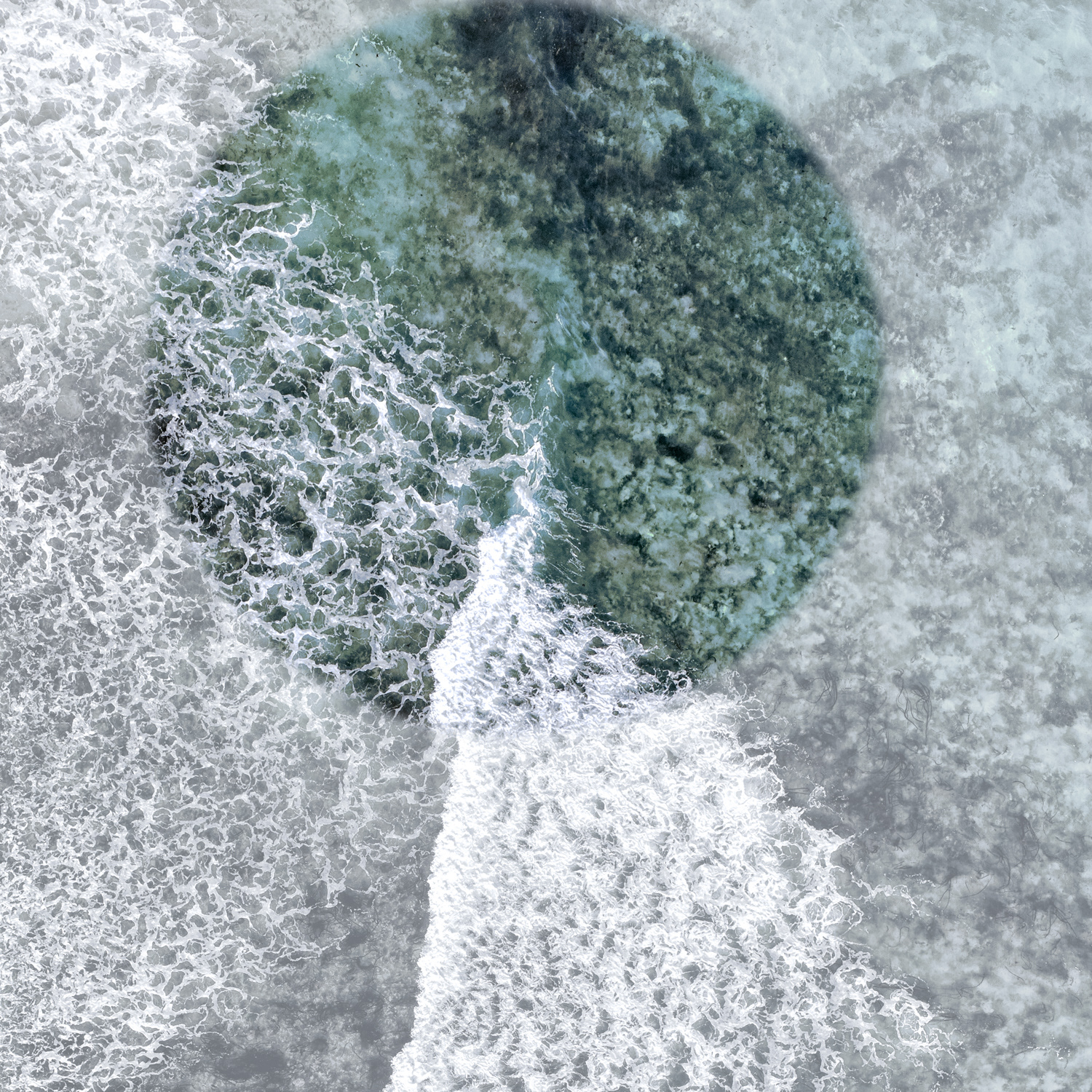
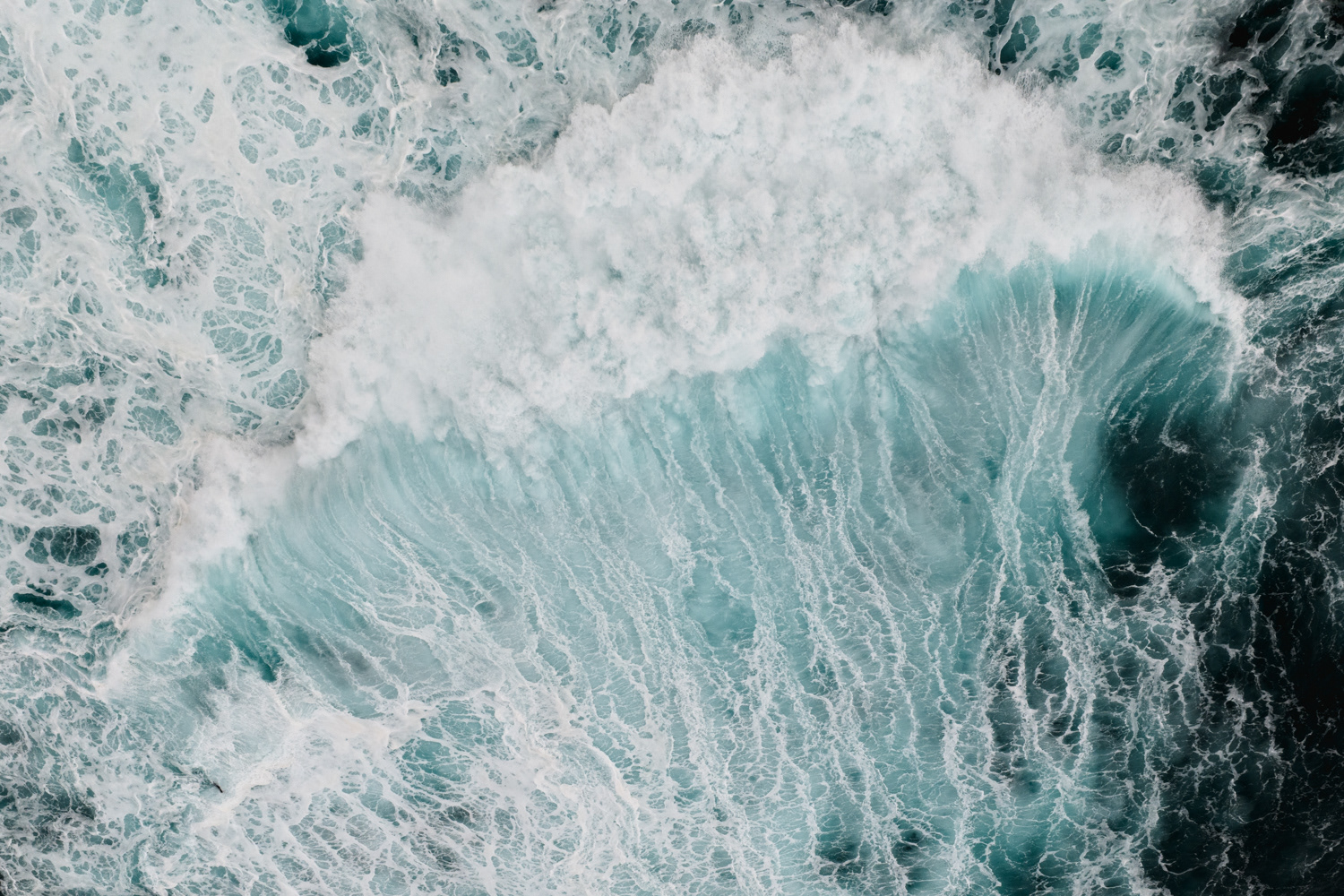
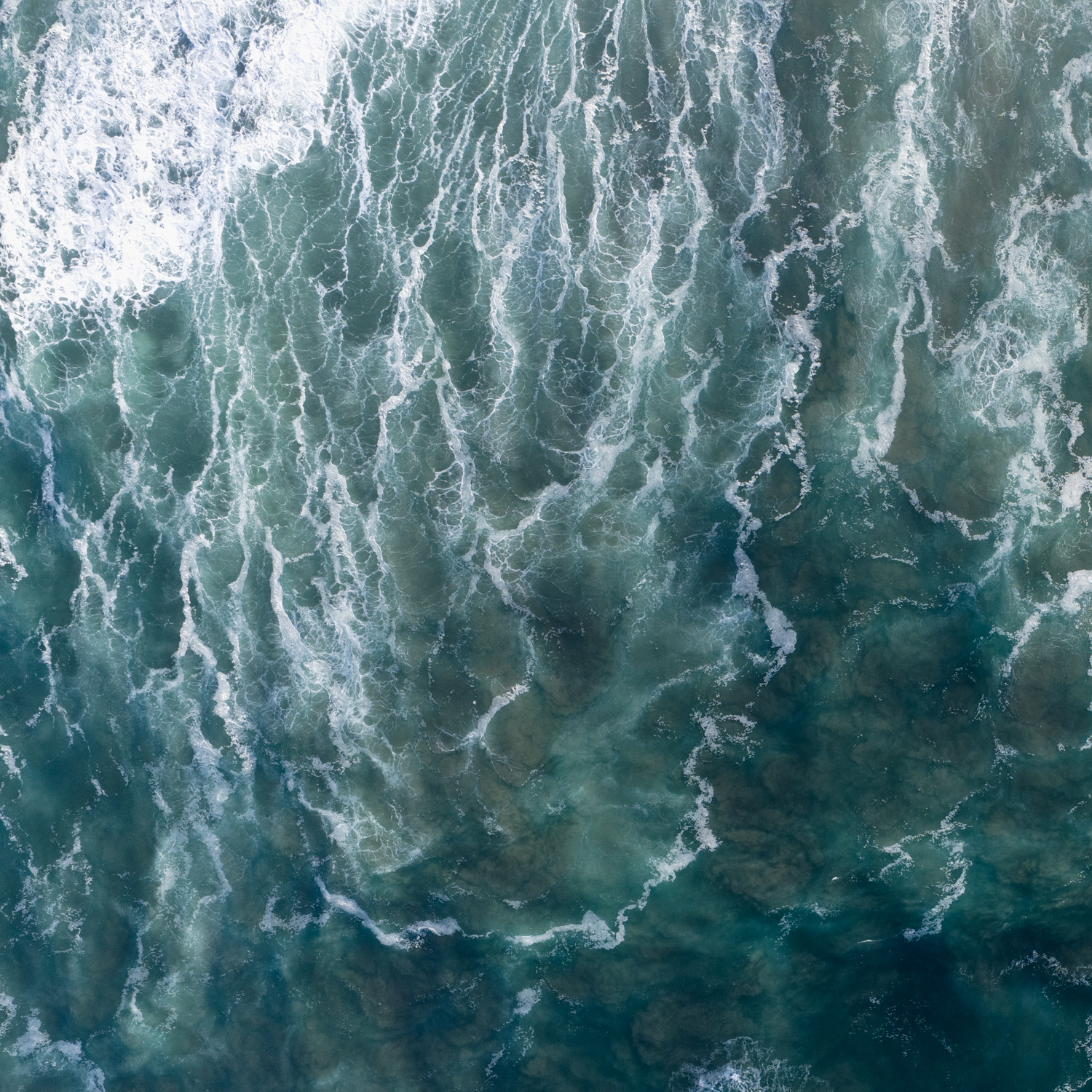
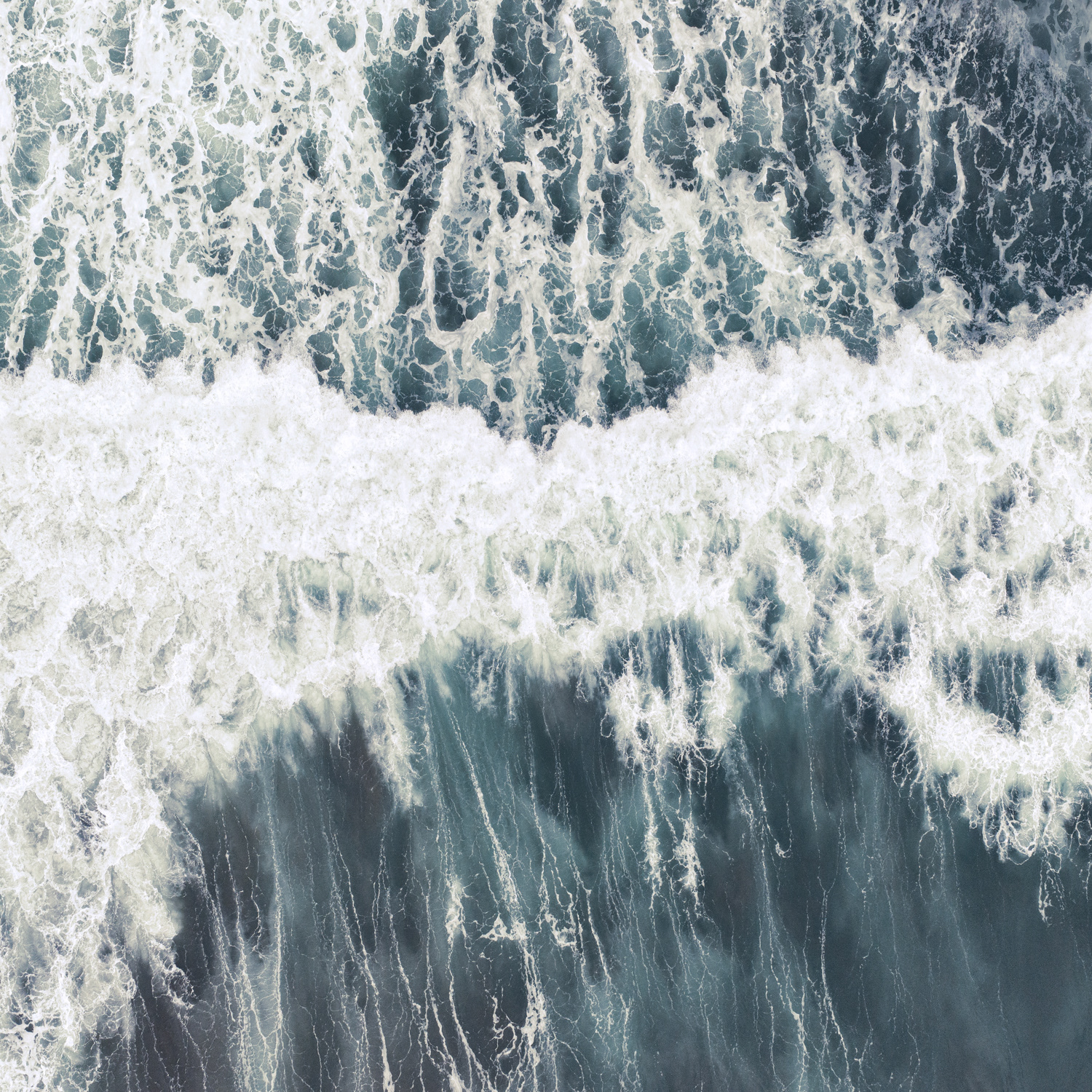
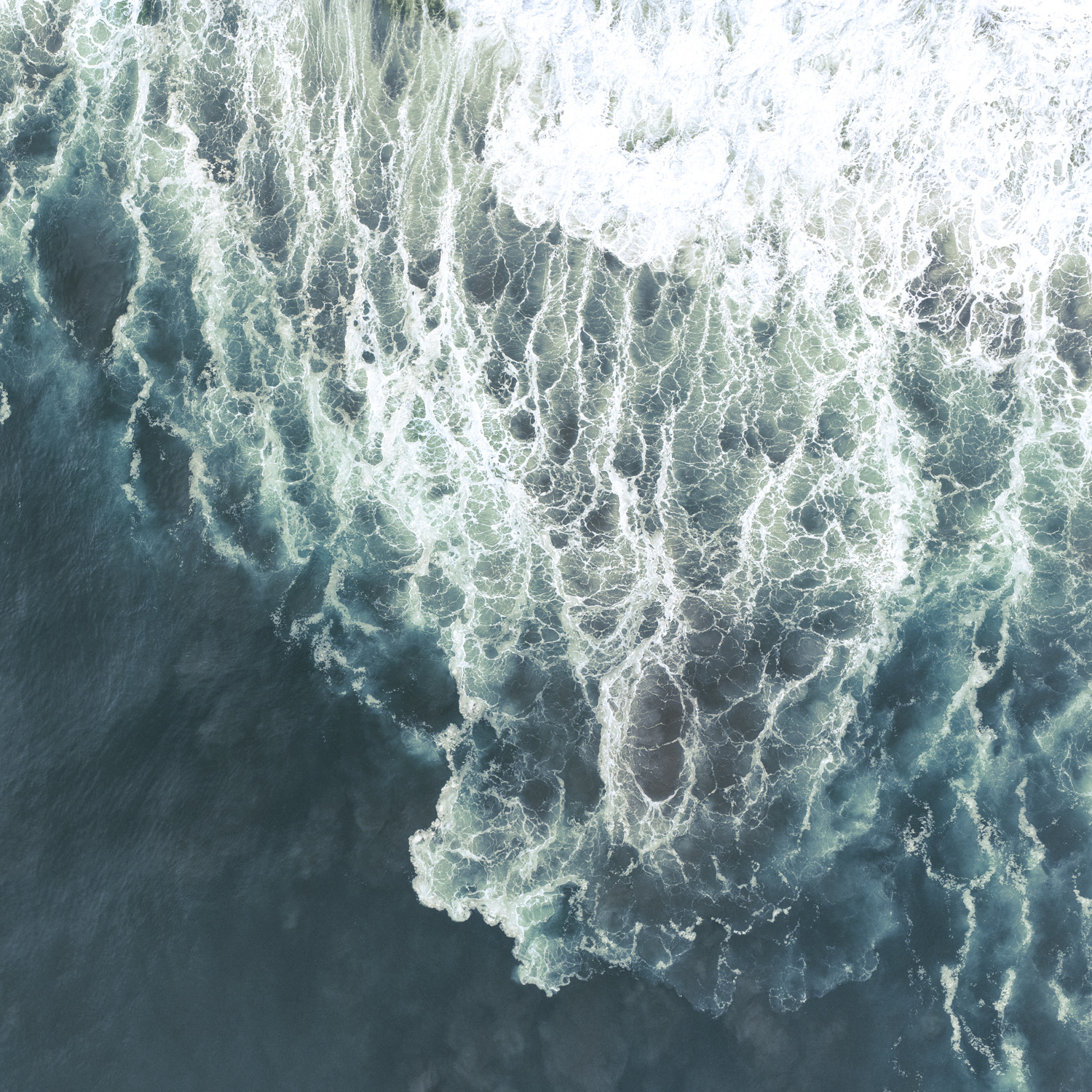
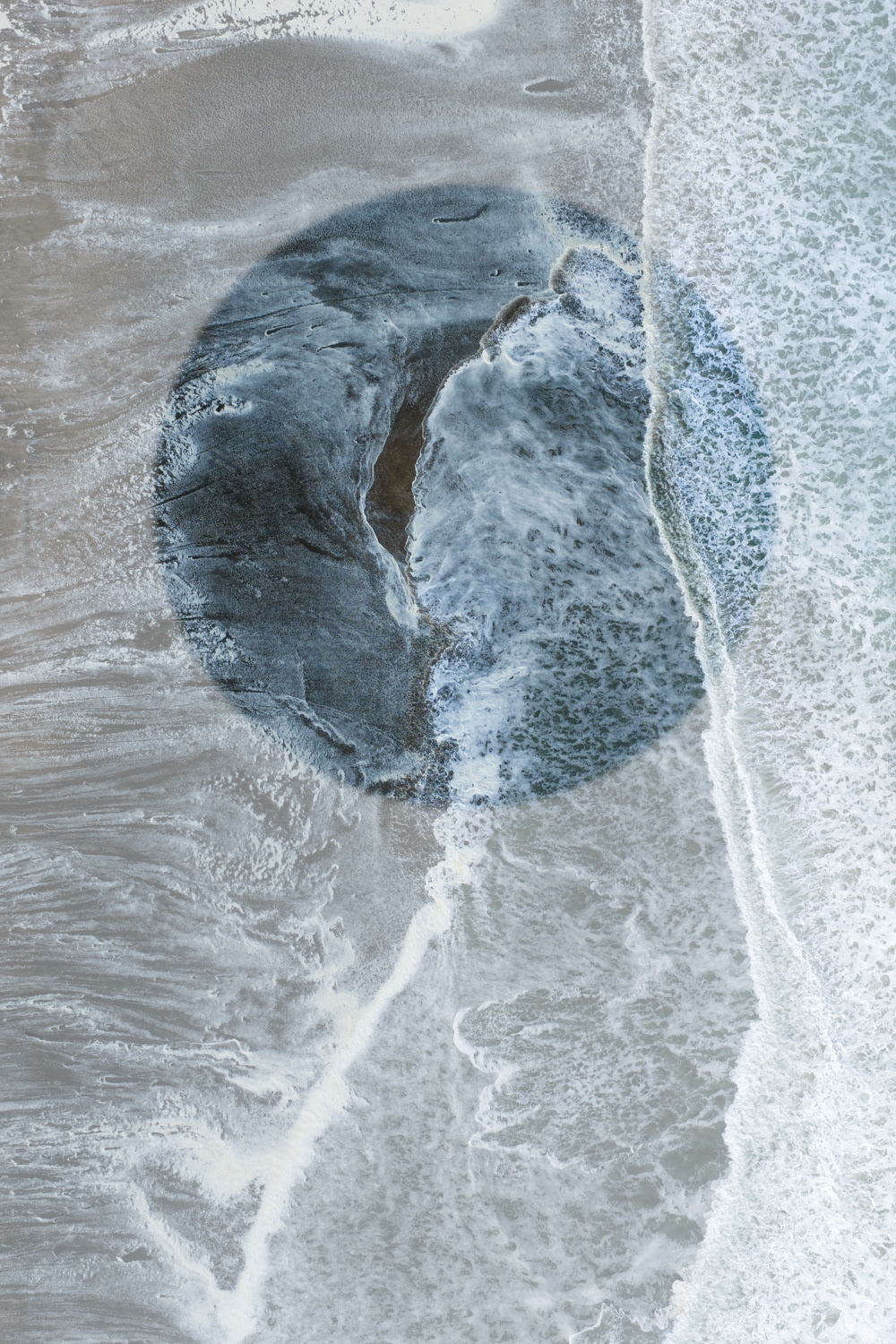
Photographing surf without the grounding of horizon or shore, we seek to reveal the subtle, powerful structures of water in turbulence: its neuroanatomy. What becomes visible are lace-like white filaments, delicate yet robust, spreading across blue fields in fleeting configurations that exist for mere seconds before being reabsorbed into the body of water from which they emerged.
These images bear an uncanny resemblance to cerebral neurons visible under a microscope — a connection rooted in Steve's earlier career as a psychophysiologist studying the way the human nervous system responds to stress and anxiety. Both the ocean and the nervous system are complex systems responding to force, manifesting activation and return: turbulence arising, intensifying, and dissolving back into a baseline state awaiting the next surge. In certain images, where the composition invites it, we quiet the surrounding field so the eye travels inward — evoking at once the view through a microscope and the curve of the earth from above.
To honor the ethereal quality of these scenes, we print on handcrafted kozo papers — whose somewhat translucent, irregular surface softens contrast and breathes a fragile delicacy into the images, completing the shift from spectacle to experience. The project itself becomes an interpretation: the most transient of subjects delicately rendered on one of humanity's most enduring papers.